We are proud that patients from many countries around the world place their trust in us and that we can work successfully with them.
About us – ISST Unna
Institute for Special Systemic Therapy
Patient-orientation and professional expertise
ISST’s corporate philosophy is to provide patients with comprehensive care through individualised, holistic therapy and to achieve the best possible treatment success by adapting the therapy options while maintaining high quality standards: More quality of life for patients! Patients and practitioners are partners in individualised therapeutic work.

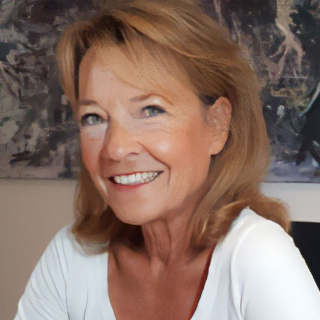
Sabine Berndsen – ISST Director
Foundation of the ISST
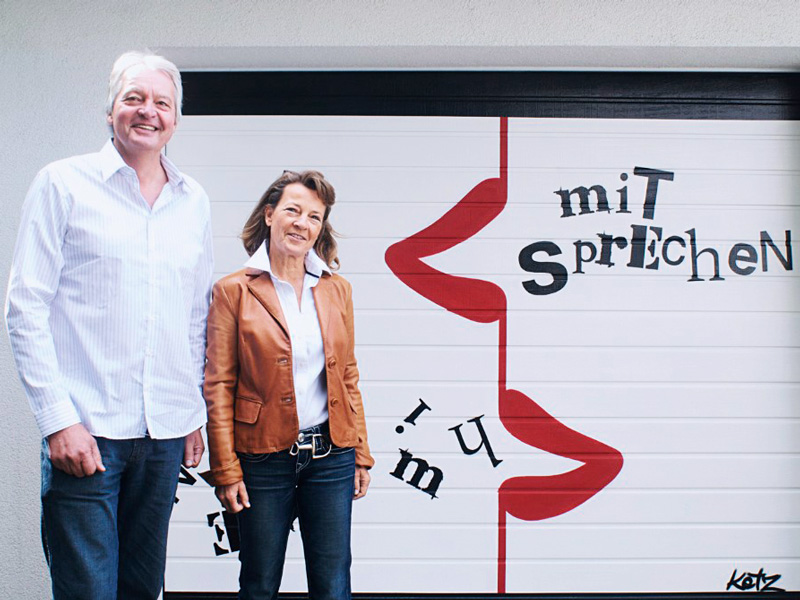
The ISST (Institute for Special Systemic Therapy) – International Centre for Rehabilitation was founded in 1984 by Dr Klaus Berndsen and Sabine Berndsen in Unna (Germany). The experience they have gained since then determines the professional counselling, diagnosis, therapy and partnership-based treatment of patients. ISST sees itself as a competent provider of therapies to promote and restore the health of patients. The focus is on the rehabilitation of speech, language, movement, brain function, nerve function, pain, hearing disorders, dizziness, sleep, snoring and sleep apnoea.
![isst-berndsen-01-w[1] Die Gründer des ISST Unna, Dr. Klaus-J. Berndsen und Sabine Berndsen](https://dev.isst-unna.de/wp-content/uploads/2024/02/isst-berndsen-01-w1.jpg)
The founders of ISST Unna, Dr Klaus-J. Berndsen and Sabine Berndsen
In intensive research activities, in cooperation with universities, hospitals, rehabilitation facilities and international specialists from various medical disciplines, new effective treatment methods and technical aids for sick and disabled people have been developed and continuously optimised at ISST from the very beginning. Today, an innovative team of therapists at ISST competently represents the current scientific state of diagnosis, therapy and specialised, individualised rehabilitation.
Dr Klaus Berndsen and Sabine Berndsen were mostly inspired to keep coming up with new research ideas through their practical work with their patients. The development of new therapeutic procedures and medical technology aids mainly resulted from this. In many cases, however, their developments also emerged from the critical analysis of current theories and treatment methods that were in urgent need of revision. Patents were granted for some of their procedures and devices. Many developments are now used by doctors and therapists worldwide.
Creativity and personal involvement as motivation for new developments
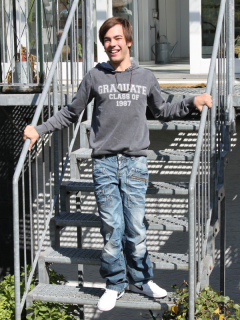
At the beginning of every new development there was always the need to provide special help for a special patient. In 1991, Dr Klaus Berndsen and Sabine Berndsen’s son was born with a severe disability (CP – cerebral palsy). As affected parents, Sabine and Dr Klaus Berndsen wanted to do everything they could to minimise the extent of the disability. For years, they therefore visited doctors and therapists at home and abroad. This included travelling for several weeks to the Ukraine, USA, South America, Hungary, Poland and even China. Unfortunately, there was only ever limited success and the wish that her son would learn to stand or walk was not fulfilled for many years. The “great sage” did not exist.
![pb-01-w[1]](https://dev.isst-unna.de/wp-content/uploads/2024/02/pb-01-w1-240x320.jpg)
As both had extensive therapeutic experience themselves and were able to supplement this with the wealth of knowledge they had gained worldwide, they began to develop their own methods and devices, which they used with their patients and their own son. In fact, many of those affected – including their own son – gradually managed to improve their movements and even learn to stand and walk. All approaches and devices have been continuously optimised to this day and have developed into a highly customisable concept. Patients from all over the world are treated with these methods at the ISST.
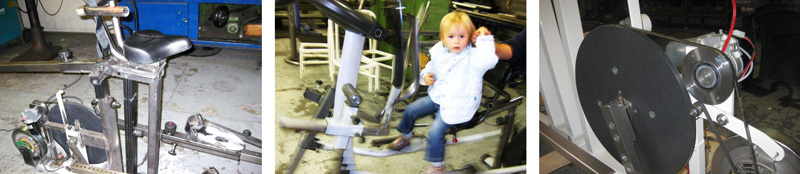
Own development of medical devices
![entwicklung-01-w[1] Entwicklung medizintechnischer Geräte](https://dev.isst-unna.de/wp-content/uploads/2024/02/entwicklung-01-w1.jpg)
The industry generally neglects products that are in low demand because the profit is far too small. Dr Klaus Berndsen and Sabine Berndsen therefore put a great deal of effort into designing and building the urgently needed aids in their own workshop and at night, often for just one patient, and usually provided them to patients free of charge or at the cost of the materials. New legal regulations combined with complex, expensive testing procedures for the products made these creative activities increasingly difficult. Patents were granted to inventors for various medical aids.
Scientific publications and publicity
Berndsen/Berndsen regularly published about the application of their developments, new therapeutic approaches, technologies and research results in books and specialist journals. Television, radio and print media have repeatedly reported on their new therapeutic approaches and technical developments.
University teaching, continuing professional development for doctors and therapists
In addition to their therapeutic work at ISST, Dr Klaus Berndsen and Sabine Berndsen are active as lecturers and in clinical work at various universities in Germany and abroad. As part of these tasks, they supervise numerous research projects and accompany their scientific progress.
Since 1988, Dr Klaus Berndsen and Sabine Berndsen have held regular training and further education courses for doctors and therapists in their own training rooms and at various institutions, congresses etc. worldwide. The focus here is on the scientific communication and practical implementation of therapy methods and technical applications that they have developed at the ISST in Unna.
Facilities at the Institute for Specialised Systemic Therapy
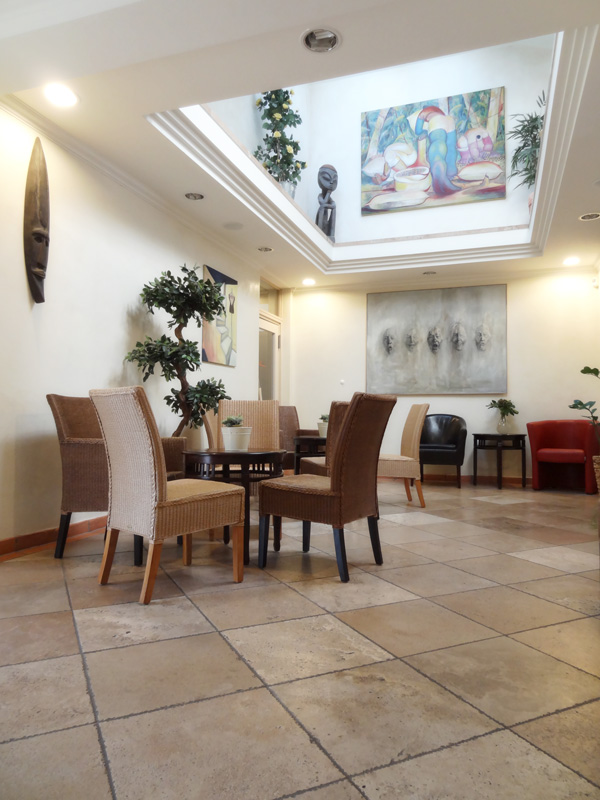
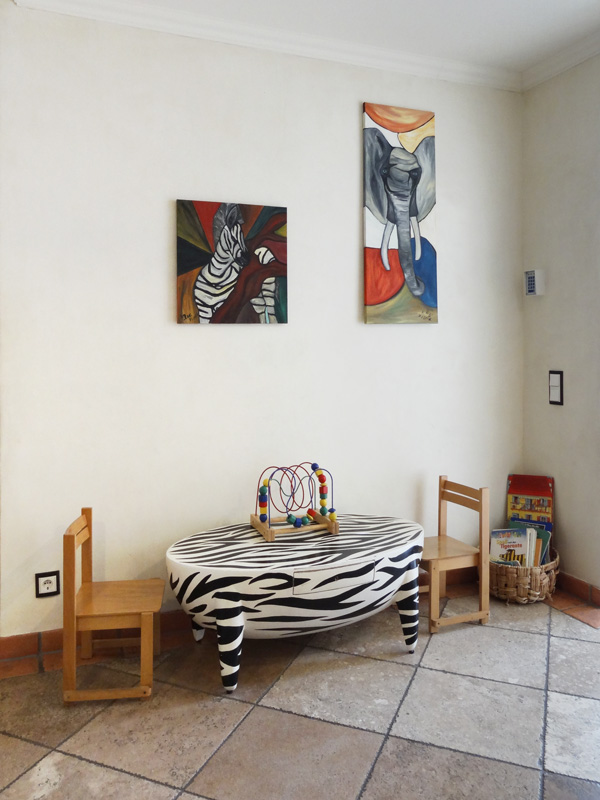
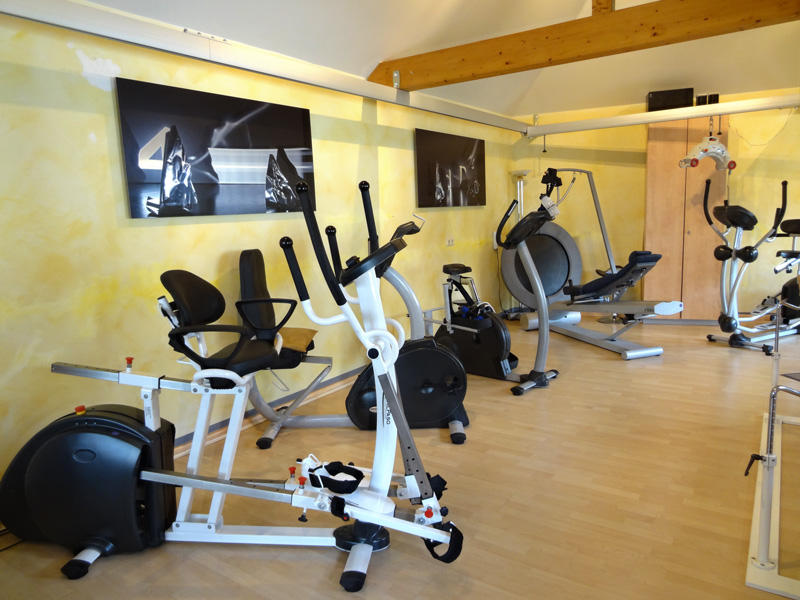
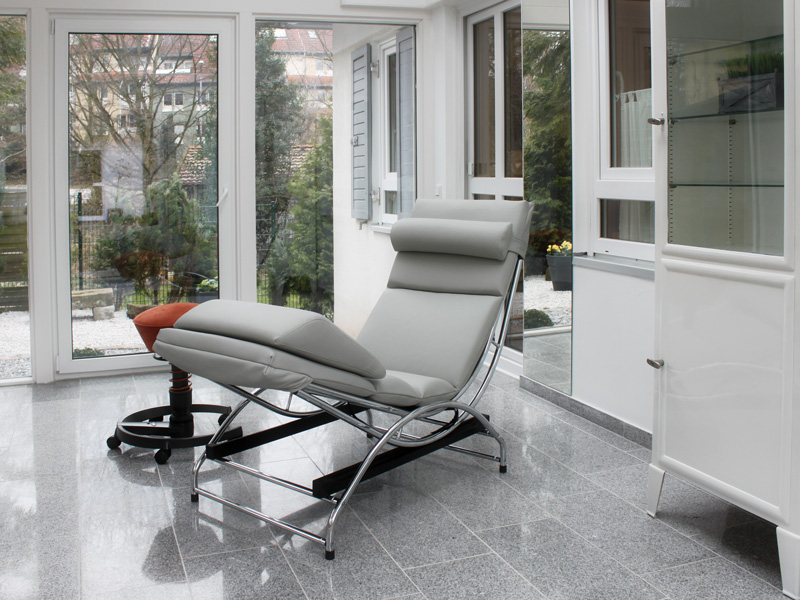
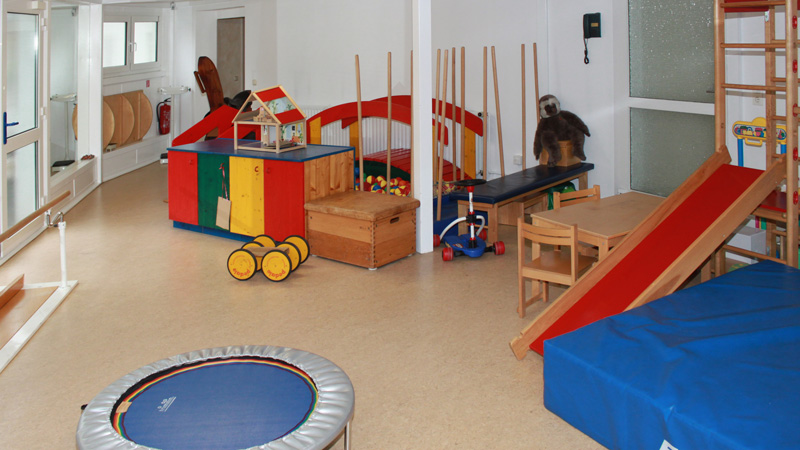
The therapeutic work at ISST is supported by modern technical aids. Rooms for individual and group treatment, training and rehabilitation rooms with technical equipment, modern measuring techniques, a Snoozel room and outdoor therapy facilities are available for diagnosis and treatment.
The team at ISST
In order to ensure familiar personal contact between patients and therapists, the ISST is organised in a manageable, family-like setting in terms of space and staff. The therapists working at ISST require a university degree (Dipl. / Master) in the field of rehabilitation followed by several years of specialist training at ISST. They are characterised by a high level of professional and social competence.

![praxis-04-w[1] Praxis Wartebereich - Foto](https://dev.isst-unna.de/wp-content/uploads/2024/02/praxis-04-w1-495x400.jpg)
![praxis-05-w[1] Praxis Wartebereich - Foto](https://dev.isst-unna.de/wp-content/uploads/2024/02/praxis-05-w1-495x400.jpg)
![praxis-17-w[1] Praxis Ausstattung Fitnsessbereich - Foto](https://dev.isst-unna.de/wp-content/uploads/2024/02/praxis-17-w1-495x400.jpg)
![praxis-20-w[1] Spiral Dynamic Surfing](https://dev.isst-unna.de/wp-content/uploads/2024/02/praxis-20-w1-495x400.jpg)
![praxis-01-w[1] Praxis - Turnhalle - Foto](https://dev.isst-unna.de/wp-content/uploads/2024/02/praxis-01-w1-495x400.jpg)